 11
11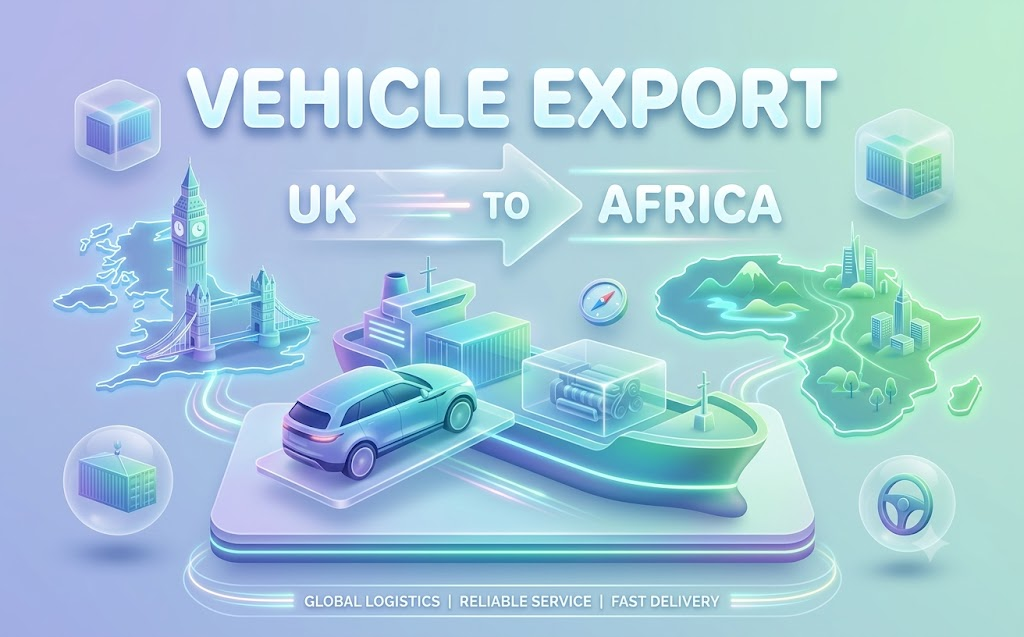
Shipping a commercial vehicle, passenger car, or heavy industrial machinery across continents is a significant undertaking. When exporting automotive assets from the United Kingdom to expanding markets across the African continent, selecting the correct transit framework determines your project’s overall speed, safety, and financial viability. For most operational vehicles, Roll-on/Roll-off (RORO) shipping represents the global benchmark for secure, high-efficiency maritime logistics.
If you are planning to organize an automobile export line, understanding how to navigate the operational compliance of a vehicle export UK to Africa process is crucial. This article breaks down the exact mechanics of RORO operations, details the core commercial advantages, outlines variables that influence port timelines, and delivers a practical roadmap to ensure your vehicle successfully passes thorough customs inspections.
Roll-on/Roll-off shipping is a specialized maritime method engineered specifically for wheeled cargo. Unlike traditional containerized transport, where a vehicle must be lifted and manually stuffed inside a static steel box, RORO vessels operate like massive, enclosed floating parking structures with multi-level internal decks.
The operational flow at major maritime hubs is exceptionally streamlined:
When planning international vehicle relocation, shippers generally choose between container shipping and RORO. While containers serve a purpose for non-operational vehicles or when moving full household estates simultaneously, RORO remains the preferred choice for commercial operators due to several distinct benefits.
With container shipping, you bear the financial burden of renting an entire steel container alongside complex crane and rigging fees at both the origin and destination terminals. With RORO, you only pay for the exact physical footprint your vehicle occupies on the deck. This structural pricing model makes it the most economical way to move vehicles across global shipping lanes.
The loading process for containers requires multiple touchpoints—including warehouse transit, block-and-tackle winching, and structural positioning. RORO eliminates these complex intermediate handling phases completely. Fewer touchpoints naturally translate to a statistically lower risk of cosmetic, body, or structural damage during port preparation.
Standard shipping containers have strict height and width limitations. If you need to ship a large commercial truck, a motorhome, or heavy construction machinery, containerization is often physically impossible. For seamless logistics, coordinating your transport through an experienced specialist like vehicle export UK to Africa ensures your documentation aligns precisely with latest port parameters.
+-----------------------------------------------------------------+
|                    UK TO AFRICA FREIGHT TIMELINE                |
+-----------------------------------------------------------------+
|  [Phase 1] UK Port Drop-off & Export Customs Documentation      |
|  [Phase 2] Secure Ramp Loading & Multi-Point Internal Lashing   |
|  [Phase 3] 2 to 4 Weeks Ocean Transit via Major Shipping Lanes  |
|  [Phase 4] Offloading at Destination Port & Customs Assessment |
+-----------------------------------------------------------------+
Calculating your total financial layout requires looking closely at how maritime carriers structure their rates. Your final export quote is typically shaped by three distinct variables:
Because deck space is at a premium inside modern transport vessels, shipping rates are calculated based on your vehicle’s total volume in cubic meters ($Length \times Width \times Height$). Consequently, a compact hatchback or luxury sedan will naturally command a lower base rate than a large long-wheelbase cargo van or an automated 4×4 vehicle.
Different African nations maintain strict import rules regarding the age of vehicles brought into the country under various automotive directives. Ensuring your vehicle aligns perfectly with these age limits is vital before booking freight space, as non-compliant vehicles face steep penalties or rejection at the destination port.
Beyond ocean freight fees, you must account for localized terminal handling charges (OTHC and DTHC), customs documentation fees, and applicable destination-side import duties. Partnering with a dedicated platform makes navigating these compliance loops simple. By setting up your logistics through a dedicated transport provider like RORO car export UK Europe, shippers can easily coordinate highly efficient regional link-ups and international schedules with absolute transparency.
To maintain absolute safety on enclosed vehicle decks, international port authorities enforce rigorous compliance parameters. Shippers must complete the following preparation tasks prior to vehicle drop-off:
No. The core framework of Roll-on/Roll-off shipping relies on the vehicle being fully operational so it can be driven under its own power up the vessel’s ramps. Inoperable vehicles must be booked via dedicated container methods or specialized flatbed towing setups.
The main ports for international RORO vehicle shipments from the United Kingdom include Lagos (Tin Can Island) in Nigeria, Mombasa in Kenya, Dar es Salaam in Tanzania, Tema in Ghana, and Durban in South Africa.
Transit timelines vary depending on the specific carrier routing and destination port. On average, a RORO ocean voyage from major UK export hubs (such as Tilbury or Southampton) takes between 14 to 21 days for West Africa and 21 to 28 days for East and South Africa.
Utilizing Roll-on/Roll-off shipping is a practical, safe, and highly efficient strategy for moving a vehicle across international shipping lanes from the UK to Africa. By bypassing the unnecessary handling fees of container loading, maximizing space-saving terminal efficiency, and ensuring your asset remains fully protected throughout the ocean voyage, RORO delivers unmatched peace of mind. By cross-checking your documentation early, prepping your vehicle to strict port standards, and aligning your journey with trusted maritime specialists, you can ensure your vehicle reaches its destination completely free of logistical complications.