 11
11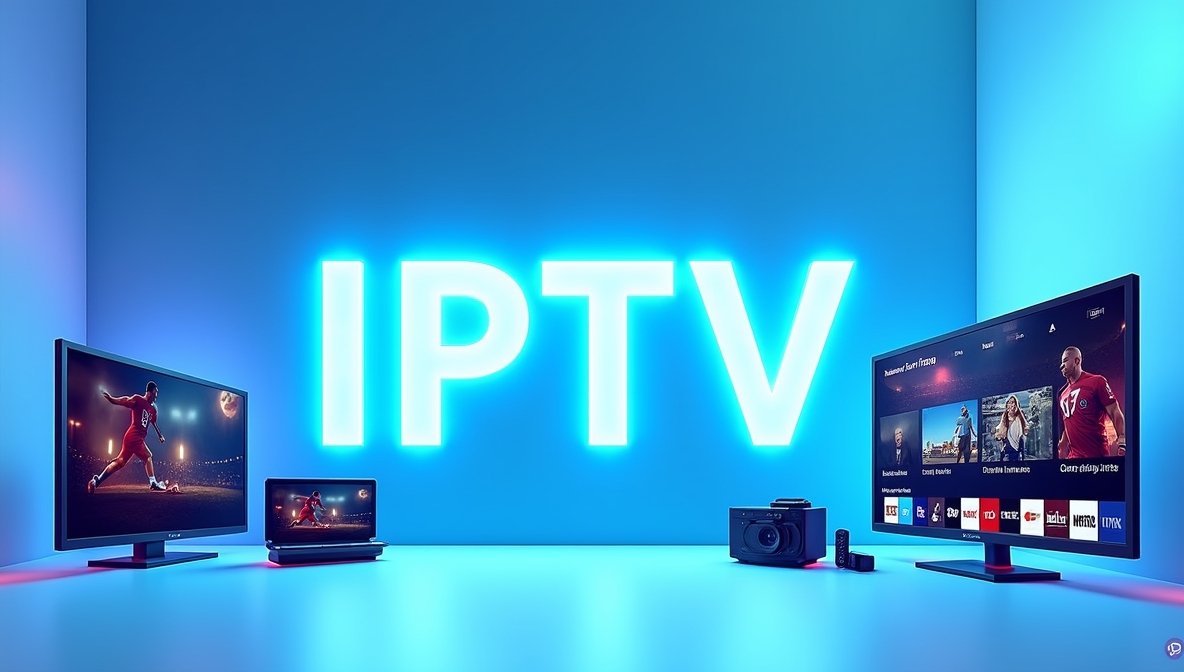
IPTV on Android TV has become a popular way for users to access live TV channels, movies, and on-demand content through internet-based services instead of traditional cable systems. This method allows greater flexibility, better content variety, and easier setup, making it appealing to beginners, streamers, and IPTV resellers alike. Understanding how the system works before installation helps users avoid common mistakes and ensures a smooth experience.
For beginners, IPTV may seem technical at first, but Android TV simplifies the entire process through user-friendly apps and built-in support for media streaming. Streamers benefit from customizable interfaces and access to global content, while resellers often focus on managing multiple accounts and delivering stable service to clients. Knowing the basics of installation is the first step toward building a reliable IPTV reseller panel store setup that performs well under different usage conditions.
IPTV stands for Internet Protocol Television, which delivers television content through internet connections instead of satellite or cable networks. On Android TV devices, IPTV works through dedicated applications that load playlists, typically in formats like M3U or Xtream Codes API. These playlists connect users to live channels, video libraries, and electronic program guides depending on the provider.
Android TV is one of the most suitable platforms for IPTV because it supports a wide range of apps available through the Google Play Store. It also allows sideloading apps when needed, giving users flexibility in choosing their preferred IPTV players. This adaptability makes Android TV a strong option for both personal entertainment setups and commercial IPTV distribution.
Before installing IPTV on Android TV, users need a stable internet connection with sufficient speed to stream content without buffering. A minimum of 10 Mbps is generally recommended for HD streaming, while higher speeds are better for 4K content. An Android TV device or smart TV with Android OS is also required, along with access to a reliable IPTV subscription or playlist from a provider.
Additionally, users should ensure they have a compatible IPTV player app installed or ready to install. Some apps are available directly on the Google Play Store, while others may require manual installation using APK files. Having login credentials such as M3U links or Xtream Codes details is essential before starting the setup process, as these are required to load content into the application.
The first step in installing IPTV on Android TV is selecting and installing a suitable Install IPTV on Android TV guide player from the Google Play Store. Popular options often include user-friendly interfaces and support for multiple playlist formats. Once installed, the app should be opened to begin the setup process, which usually involves adding a new playlist or logging in with provider credentials.
After launching the app, users need to enter their IPTV subscription details, such as M3U URL or Xtream Codes login information. Once the data is entered, the app will load available channels and content libraries automatically. It may take a few moments depending on the size of the playlist and internet speed, after which users can start browsing and watching content immediately.
Several IPTV apps are widely used on Android TV due to their performance and ease of use. Applications like IPTV Smarters, TiviMate, and Perfect Player are commonly chosen because they support multiple formats and offer customizable viewing experiences. These apps also provide features such as electronic program guides, parental controls, and favorite lists for better organization.
Each app has its own strengths depending on user needs. Some focus on simplicity for beginners, while others provide advanced settings for streamers and resellers who manage multiple connections. Choosing the right app depends on the level of control and customization required, as well as compatibility with the IPTV service being used.
One common issue during IPTV usage on Android TV is buffering, which is often caused by slow internet speed or overloaded servers. Restarting the device, checking network stability, or switching to a wired connection can help improve performance. Clearing app cache regularly also ensures smoother playback and reduces loading delays.
Another important tip is to keep IPTV apps updated to the latest version to avoid compatibility issues. Users should also verify playlist validity if channels stop working, as expired or incorrect links can cause disruptions. For resellers, monitoring server performance and maintaining backup playlists helps ensure consistent service delivery to clients.